He who sees the In-
-finite in all things
sees God. He who
sees the Ratio only
sees himself only
Socrates — The Trial
The notion of piety. Prosecutor interrogates Socrates on the notion of divinity. What is truly in service to the Gods and what is not.
And by use of dialogue, Socrates manages to get the interrogator to admit his notion of divinity is ill-founded. Eg — “what is god-loved != piety”. That there must be an objective nature of goodness or piety that exists independently of divine preference.
Moral truth is independent of myth.
— Also, the idea that Socrates is the most influential philosopher and he never wrote anything down. Only interpreted by people like Plato. Must have been a revolutionary thinker.
F*cking brilliant.
> First, – Canst thou by searching find out God? Yes because, in the first place, I know I did not make myself, and yet I have existence; and by searching into the nature of other things, I find that no other thing could make itself; and yet millions of other things exist; therefore it is, that I know, by positive conclusion resulting from this search, that there is a power superior to all those things, and that power is God.
> It is a fraud of the Christian system to call the sciences human invention; it is only the application of them that is human. Every science has for its basis a system of principles as fixed and unalterable as those by which the universe is regulated and governed. Man cannot make principles, he can only discover them.
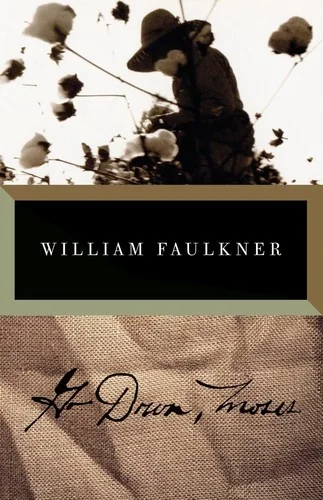
The sections on meditation and psychedelics were informative reads. Skipped most of the theology.
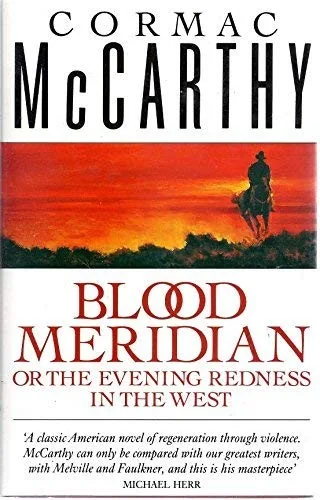
Recently re-read this as part of a book club with a buddy. Couple of quotes from the re-read:
“In the morning they crossed a bed of thunderstones clustered on that heath like the ossified eggs of some primal groundbird.”
“Beyond the fire it was cold and the night was clear and the stars were falling. The old hunter pulled his blanket about him. I wonder if there’s other worlds like this, he said. Or if this is the only one.”
—————————
And some notes/discussion on the ending sequence:
The little girl gone missing at the end, after her bear was killed, was it the judge? Seems related to the judge killing the idiot.
The Judge preys on children throughout the novel (there are multiple hints and references to missing children whenever he appears). Whenever children disappear in proximity to him, violence follows.
A child disappears.
The Judge remains.
The Judge dances.
He survives. The innocent does not.
The bear and the girl matter symbolically too.
- The bear = something wild, ancient, mythic.
- It’s reduced to spectacle.
- It’s shot for entertainment.
Civilization isn’t moral — it’s just another arena for violence. The girl disappearing right after the bear is killed suggests:
The spectacle continues.
The ritual of blood continues.
The Judge continues.
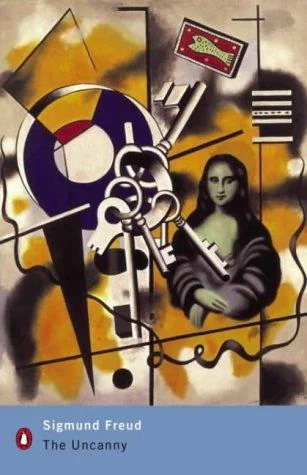
Notes:
—————
Wishful fantasies of entire nations result in myth. Folk psychology.
Being able to mask underlying desires and express them in a way that others gain pleasure from. Creatively mask them. Poetic subjectivity.
All children eventually realize that their mother is certainly their mother (having they came from her body). But the father less certain.
The dreaming of different parents. Those grander. Not as a matter of replacing them, but rather to exalt them. Reminiscing over happy times long past. Projected via fantasy.
Vasari recounts that in his last hour of life, Leonardo Da Vinci reproached himself for having offended God and mankind by failing in his duty as artist.
All childhood memories are fantasies. Like nations. When a nation is small and weak it does not think of recording its history. Only later, does it look back and recount its deeds. Re-tooled to serve later preoccupations.
The relation between obsessional neurosis and the compulsive nature of trivial activities.
Da Vinci loved his mother more than any other woman, thereby presumed homosexual.
Not my favorite of Camus. Would recommend The Fall over this one.
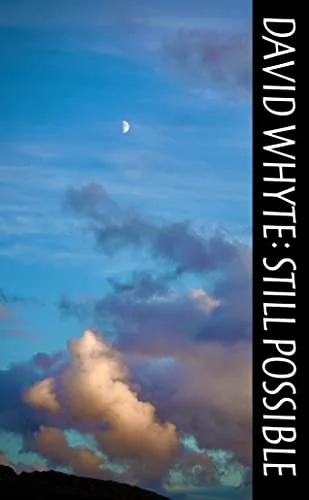
Best work of contemporary poetry I’ve read in years. Saw Gracie Abrams post about it on her Instagram. Have always respected her songwriting and emotional depth. Good taste in prose too it appears.
Show up at work on time six months in a row and we'll talk about red curry paste and lemon grass. Until then, I have four words for you: 'Shut the fuck up.'
If I could write the beauty of your eyes
And in fresh numbers number all your graces,
The age to come would say, 'This poet lies-'
Too flowerly. DNF.
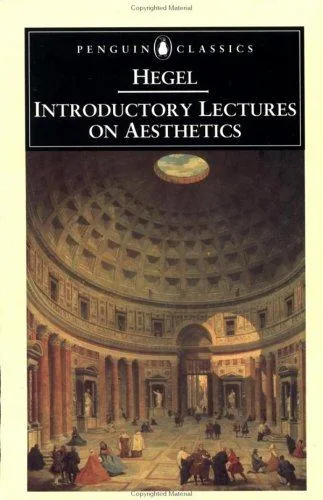
The more that works of art excel in true beauty of presentation, the more profound is the inner truth of their content and thought.
Will be reading more Hegel.
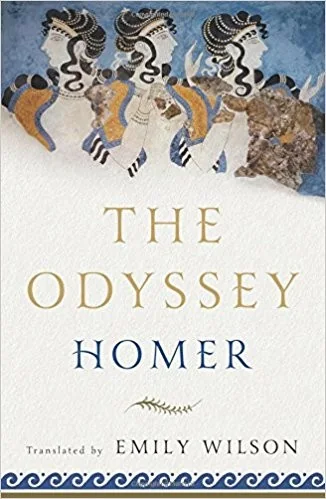
Been listening to this on long walks. Interesting to see the themes that cascade history.
What got me on this (btw) was reading that nearly half of all Ancient Greek papyrus finds are fragments of Homer. Says a lot as to his/their importance (depending on your opinion on the Homeric Question) and our Western heritage.
Would recommend.
“She IS going to get me in a future lifetime, wow—And I seriously do believe that will be my salvation, too. A long way to go.”
I don’t read much 19th century romantic poetry anymore, but this was good.
For if the gods need of one thing,
It is of heroes and human beings
---
I was reared by the euphony
Of the rustling copse
And learned to love
Amid the flowers.
I grew up in the arms of Gods.
---
for *once* I
Lived like the gods,
and no more is needed
---
Latest News: Apollo’s become the god of journalists, press men, And his blue-eyed boy he who reports all the facts.
Nietzsche was a big influence to a younger self. Picked up a copy of ‘Beyond Good and Evil’ when I was 21 living in London. Since then, I’ve read nearly all his work - saving Zarathustra (his magnum opus) for last.
This is Nietzsche at his most aphoristic. Everything is parable and nothing straightforward. But if you can get through the metaphor, there is deep wisdom in this work. In the idea that we make and shape our world and those around us. That it is _ a choice_ to be happy and you can choose to live a life that brings you deep joy. Discover your own meaning.
I’d recommend starting with ‘On The Genealogy of Morals’ and then ‘Beyond Good and Evil’.
Save this one for when you’re ready (committed?) to doing the work.
Better than ‘On the Road’. Piqued my interest in Buddhism too. Shared my Kindle highlights if you want a taste.
Raw emotion seared onto the page.
who sat in boxes breathing in the darkness
under the bridge, and rose up to build
harpsichords in their lofts,
“That I was given help through dreams, especially how to avoid spitting blood and bouts of dizziness: and the response of the oracle at Caieta, 'Just as you use yourself'.”
There's so much truth in this book regarding creativity. In unlocking it for yourself. Would highly recommend to anyone else trying to tap in -- 4.5 / 5
Reading this as part of a bookclub with some buddies. Difficult-ass philosophy, but rewarding nonetheless. Here’s my notes.
———-
- Simulation: to pretend (“I’m sick..cough”)
- Dissimulation: to pretend NOT to be something (hide it)
- Simulacra: a crude representation, which becomes taken for the “real”
———
Orders of Simulacra
1. A reflection of reality
2. “Its hiding the truth!”
3. “Its hiding that there is no truth”
4. “Its not related to anything…its not real…”
———
- why have European societies become so liberal? While America retains its republicanism?
- Smaller countries…less people…converging ideologies?
- Existed longer…alignment of values over sheer time…less need for republican representation (ala fewer “important” minorities)
———
- fascism results from a society losing power and embracing its melancholy…turning to anger…uproar
- Society used to erupt into violence when those in power overreached
- But now, in this era of hyper-real, there is no true understanding of what motivates society
- Which results in this contraction, this stepping away, this implosion (short circuitry)
———
- what do diplomas represent anymore?
- When university education no longer has any value in the workplace?
- Are we merely holding onto the artifice that used to mean something?
- Too sentimental to let go?
———
- nihilism predates postmodernism
- “the disappearnece of meaning”
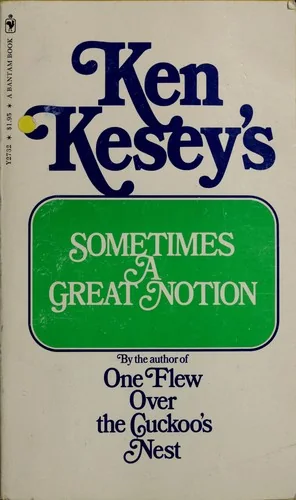
Wow. Incredibly creative. And oddly heart wrenching? I’m very impressed.
Funny weed, them flycatchers. Lots of funny plants. Them Indians eat a outfit called a wapatoo, a tuber-like affair that grows under water in the sloughs, squaws wade around barefoot and grub them outen the mud with their toes. — Ken Kesey (Sometimes a Great Notion)
Really interesting essay regarding the nature of our subconscious. Had never really thought about it. Here’s the link if anyone else wants to read it: https://nautil.us/the-kekul-problem-2...
“It was a blonde. A blonde to make a bishop kick a hole in a stained glass window.”
I respect what Melville was trying to do here — and he gets damn close to succeeding — but there are just too many flaws. Too many gaps in narrative. That said, if you found Moby Dick to be a digressive mindbend, look no further.
Very well written. Subject matter was pretty honed to specific 1950s and 60s events, but the central theme of “condescending mediocrity in the form of high culture” stands very poignant in today’s day and age.
Namesake essay is a worthy read, but DFW loses me with his preachy didacticism.
I read the first couple hundred pages of this tome last spring. The intention was to circle back and finish, but I doubt I will. Interesting ideas. Could probably get ChatGPT to summarize it instead (lol)
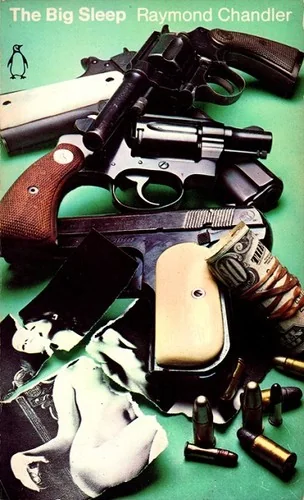
This was such a fun read. A well written, hard boiled crime novel. Fantastic dialogue too (see my Kindle highlights).
Virginia Woolf gives me very faint glimmers of Faulkner and Joyce through her stream of consciousness — but somehow fails to execute.
The history of Keats being wound into the story was intriguing (as someone who is really interested in Romantic poetry relatively speaking). And the world building was great. I don't read a lot of sci-fi or fantasy anymore, but this was definitely one of the best I've read in a long while.
I couldn't quite give it 5 stars though. For me, a big part of a book being “brilliant" is that it has to blow my hair back a bit. Get me thinking. This was a great story, but I didn't garner any "philosophical insight" from reading it.
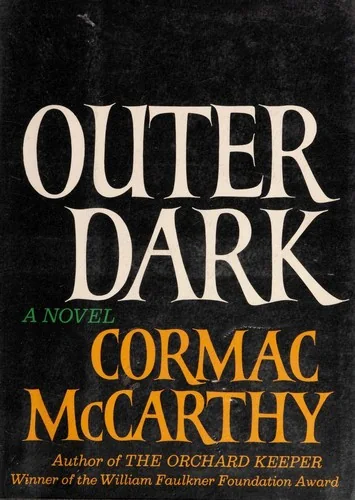
What makes McCarthy’s novels so intriguing, at least to me, is that they are littered with parables and often opaque modernism - leaving a portentous (and often dark) feeling hanging over the reader. That said, I highly recommend this novel. But forewarning, don’t read after twilight.
Disappointing. If you’re gonna read Faulkner, stick to the big four (TSATF, As I Lay Dying, Light in August, Absalom Absalom).
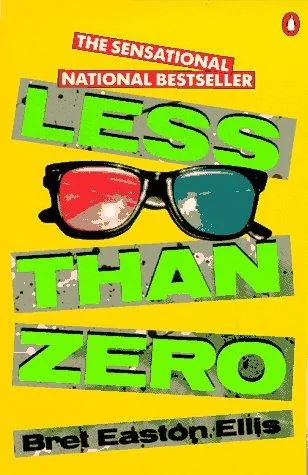
Love the layout of this novel. Very readable.
While the plot and characters of this novel leave me feeling numb, there is a certain quality to it that speaks truth — especially to a younger reader.
There are moments where this book is sheer brilliance. And there are others that don’t make much sense to me (and whom others refer to as “flaws”). But idk, this one really resonated. 4.5 / 5 stars.
——-
All right. He knew what he wanted. He wanted some money. He wanted a piece of ass. He wanted a big dinner, with all the trimmings. He wanted a bottle of whiskey. He wanted a car, in which he could drive a hundred miles an hour (he had only recently learned how to drive, and he loved the feelings of speed and control, the sharpness of the danger). He wanted some new clothes and thirty-dollar shoes. He wanted a .45 automatic. He wanted a record player in the big hotel room he wanted, so he could lie in bed with the whiskey and the piece of ass and listen to “How High Was the Moon” and “Artistry Jumps”. That was what he wanted.
- Dan Carpenter (Hard Falling Rain)
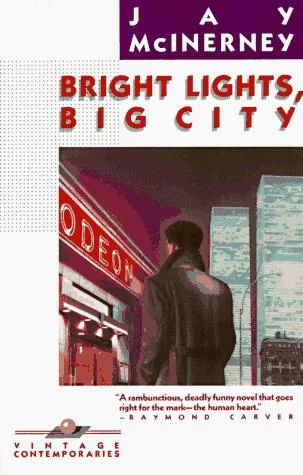
Somewhere between This Side of Paradise and American Psycho. Brilliant.
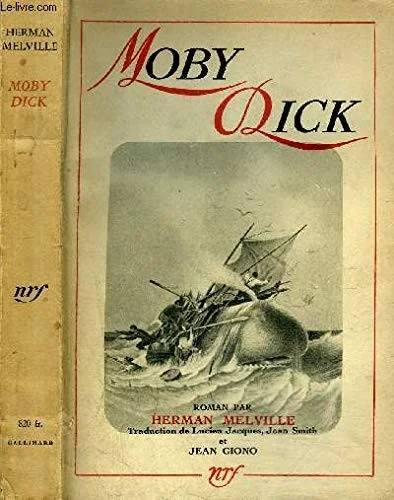
Incredible scope. Melville’s prose is both daunting and dazzling. My favorite chapters:
The Castaway
The Try-Works
The Blacksmith
The Chase — Third Day
Very messed up. And that’s what I liked about it (in the satirical sense). But wasn’t a huge fan of the ending.
First dozen or so poems are sheer brilliance. Quality tapers off a bit (otherwise I’d have given 5 stars).
First time reading O’Connor and I have to say, I’m impressed. The Violent Bear it Away seems situated between Faulkner and McCarthy’s early works in my mind. Its almost as if you took one of Faulkner’s major works, and stripped down the “meatiness” (which is where most folks get lost) and kept the major themes and narrative structure.
TL;DR — Straightforward, entertaining, and just the right flavor of “dark” for a classic Southern tale. Will be reading O’Conner again.
(i do not know what it is about you that closes
and opens;only something in me understands
the voice of your eyes is deeper than all roses)
- EE Cummings
There were a few gold nuggets in here (The Eagle, The Charge of the Light Brigade, The Daisy). Yet, Tennyson’s prose seems outdated and dare I say boring? I can read Keats (or any of the other romantics) and be infatuated with similar language, but Tennyson feels a bit too “historian-esque” and dallies on ancient subject matter for far too long (there are a LOT of multi-act prose poems in here).
Idk - give me Whitman, Keats, or Shelly any day over Tennyson. Sorry not sorry.
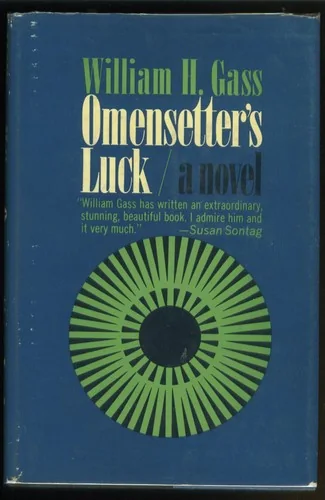
Experimental fiction can be so hit or miss. But this was brilliant. First time I’ve encountered an author who did stream-of-consciousness in an even more creative way than the archons themselves (Joyce + Faulkner).
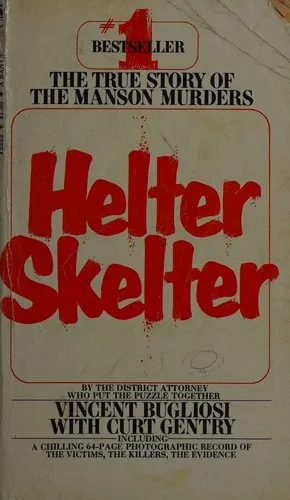
They began questioning Crockett and Poston. The officers had come looking for arson suspects, and a possible stolen vehicle. They found something totally unexpected. From Pursell’s report: “The interview resulted in some of the most unbelievable and fantastic information we had ever heard: tales of drug use, sex orgies, the actual attempt to re-create the days of Rommel and the Desert Corps by tearing over the countryside by night in numerous dune buggies, the stringing of field phones around the area for rapid communication, the opinion of the leader that he is Jesus Christ and seemed to be trying to form a cult of some sort…” - Vincent Bugliosi (Helter Skelter)
Abraham saw signs of God and believed. Now the only sign is that all signs in the world make no difference. Is this God’s ironic revenge? But I am onto him. - Walker Percy (The Moviegoer)
This was really disappointing given how much I’ve enjoyed Ellis’s previous works. It just felt lazy and 300 pages too long.
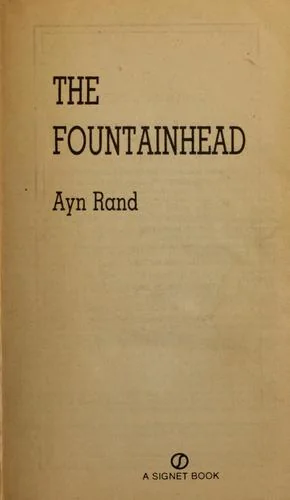
Probably the best novel I’ve read since ‘This Side of Paradise’. Both abrasive and assured, Ayn Rand is an author worth discussing with your peers. Brilliant work of literature.
Raymond Carver is up there with my other favorite poets (John Keats, Percy Shelley, Denis Johnson) - but for different reasons. Those aforementioned poets write beautifully. Carver realistically.
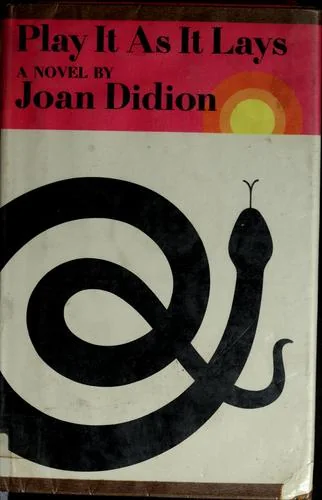
This was like an 60s version of “Less Than Zero” - which makes sense given Bret Easton Ellis has stated this to be one of his top 10 favorite novels. I still haven’t fully come to grips with this one. So I’ll end on a quote:
Maria made a list of things she would never do. She would never: walk through Sands or Caesar’s alone after midnight. She would never: ball at a party, do S-M unless she wanted to, borrow furs from Abe Lipsey, deal. She would never: carry a Yorkshire in Beverly Hills. - Joan Didion (Play It As It Lays)
After reading all McCarthy’s novels (with the exception being his plays) I’d say this has to be his most inaccessible work. Lots of discussion on very high level mathematics and it’s conjunction with our interpretation of the world. This was like reading a McCarthy brain dump. There’s super interesting tidbits in here ranging from the history of violins to the way whales time their breathing - and it’s semi-evident to me what McCarthy was advocating as a theme - I just think it could have been more appropriately edited (the last 30 pages and the history of the Poincaré/Riemann/etc could have been excluded and the novel would have rounded out a lot better - but that’s just me). 4 out of 5 because I’m stacking this against his other incredible works.
Shared my highlights from this too fyi - read it on my Kindle on the way to London since I didn’t want to pack my first edition hardcover.
Also, I’d like to add that I think McCarthy is a genius. And that’s coming from someone who uses that word _very_ sparingly.
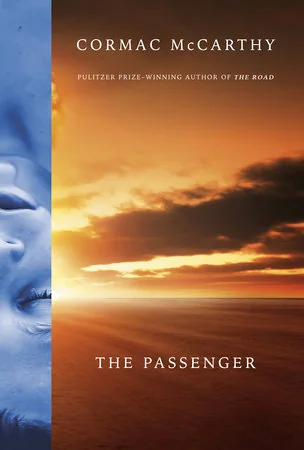
Stylistically, this reminds me of Suttree. But thematically? The ending of Cities of the Plain comes to mind. I don’t know, this was very different than what I’ve come to expect from McCarthy through his previous 10 novels (that I’ve read at least). Yet, The Passenger is still fundamentally McCarthy. It’s funny, deeply philosophical, and the last chapter? McCarthy at his best. I think I’ve got 10 highlights from the final chapter alone.
Excited for Stella Maris (and eagerly waiting for my friends to finish this one so we can discuss).
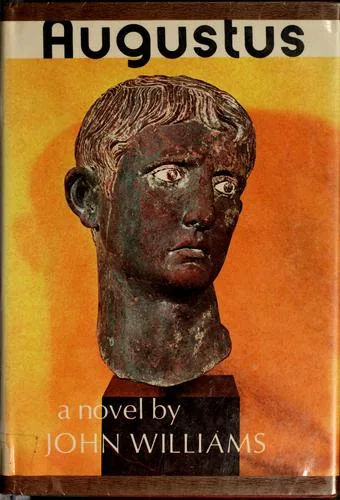
Thus I did not determine to change the world out of an easy idealism and selfish righteousness that are invariably the harbingers of failure, nor did I determine to change the world so that my wealth and power might be enhanced; wealth beyond one’s comfort has always seemed to me the most boring of possessions, and power beyond its usefulness has seemed the most contemptible. It was destiny that seized me that afternoon at Apollonia nearly sixty years ago, and I chose not to avoid its embrace. - John Williams (Augustus)
Tried twice to read this one - couldn’t get into it. DNF
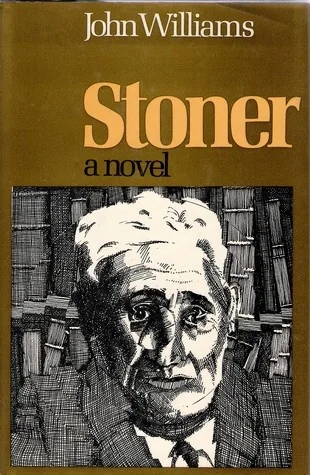
Wow. First 300ish page book I’ve read cover to cover in 24 hours since maybe Harry Potter in middle school?
Im gonna write a real review after this settles in. Incredible.
The Fountainhead > Atlas Shrugged > We the Living > Anthem
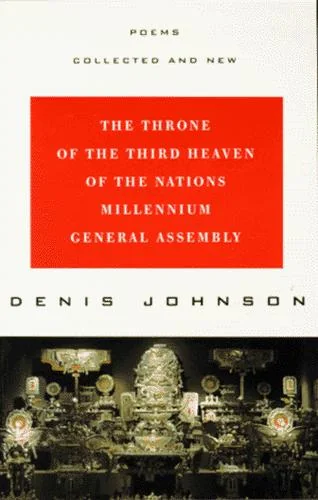
Not sure if this would be considered traditional poetry, but the blurbs of thought Johnson lays bare are incredibly intricate and exceedingly profound. Very, very impressed with this work.
Have not been a huge fan of his longer novels, but he is hands down the best short story and sheer prose author I’ve ever read.
Looking forward to more of his.
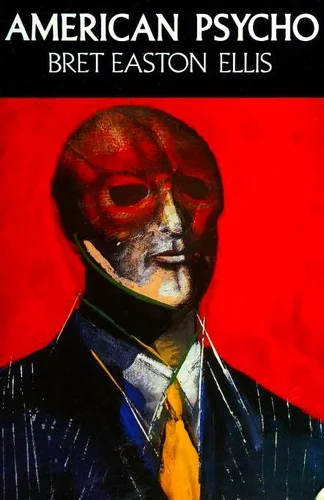
I vividly remember being in a bookstore in Cambridge, waiting to catch my train back to London, and coming across this novel.
Disgusting. Riveting. Honestly, an incredibly drastic encapsulation of the American Dream.
The summer was drunk and night and warm and the lake. An image I never saw: my cold hands running over his smooth, wet back. Bruce tells me to touch myself, right now, in the phone booth. The house I'm in is silent. I wave away a mosquito. "I can't touch myself," I say. I slowly sink to the floor still holding the phone. "Being rich is cool," Bruce says. "Bruce," I'm saying. "Bruce." He asked me about last summer. He mentions Saratoga, the lake, a night I don't remember at a bar in Pittsfield. I don't say anything. "Can you hear me?" he's asking. "Yeah," I whisper. "Is, like, the connection clear?" he asks. I'm staring at a drawing: a cup of cappuccino overloaded with foam and beneath that two words scrawled in black: THE FUTURE. "Mellow out," Bruce sighs, finally. - Bret Easton Ellis (The Informers)
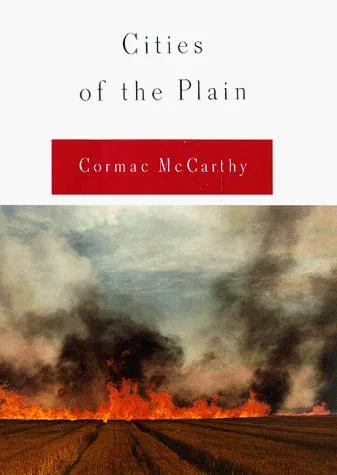
Every man’s death is a standing in for every other. And since death comes to all there is no way to abate the fear of it except to love that man who stands for us. We are not waiting for his history to be written. He passed here long ago. That man who is all men and who stands in the dock for us until our own time come and we must stand for him. Do you love him, that man? Will you honor the path he has taken? Will you listen to his tale? - Cormac McCarthy (Cities of the Plain)
Denis Johnson has really caught my attention lately. A brutally honest writer who can present characters you shake your head at yet still have hope for.
Given that this was his first novel and that he is more known for his novellas/short stories - I’m deeply impressed.
There are brief flashes of Faulkner’s earlier brilliance in this novel - but the subject matter was just too disconnected (and do I daresay boring?) to really amount to anything.
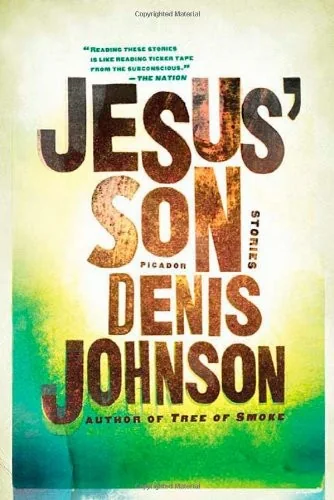
The Vine had no jukebox but a real stereo continually playing tunes of alcoholic self-pity and sentimental divorce. “Nurse,” I sobbed. She poured doubles like an angel, right up to the lip of a cocktail glass, no measuring. “You have a lovely pitching arm.” You had to go down to them like a hummingbird over a blossom. I saw her much later, not too many years ago, and when I smiled she seemed to believe I was making advances. But it was only that I remembered. I’ll never forget you. Your husband will beat you with an extension cord and the bus will pull away leaving you standing there in tears, but you were my mother. - Denis Johnson (Jesus’ Son)
I had two dreams about my father after he died. I don't remember the first one all that well but it was about meetin him in town somewheres and he give me some money and I think I lost it. But the second one it was like we was both back in older times and I was on horseback goin through the mountains of a night. Goin through this pass in the mountains. It was cold and there was snow on the ground and he rode past me and kept on goin. Never said nothin. He just rode on past and he had this blanket wrapped around him and he had his head down and when he rode past I seen he was carryin fire in a horn the way people used to do and I could see the horn from the light inside of it. About the color of the moon. And in the dream I knew that he was goin on ahead and that he was fixin to make a fire somewhere out there in all that dark and all that cold and I knew that whenever I got there he would be there. And then I woke up. - Cormac McCarthy (No Country For Old Men)
From those of us who are left behind: you will be remembered, you were the one I needed, I loved you in my dreams. - Bret Easton Ellis (Lunar Park)
Penelope > Hades > Circe > Rest of novel.
The experimentation by Joyce is interesting to say the least, but large portions of this novel come-off as incredibly pretentious.
While a few chapters were brilliant (see above) the remaining 70% requires significant diligence.
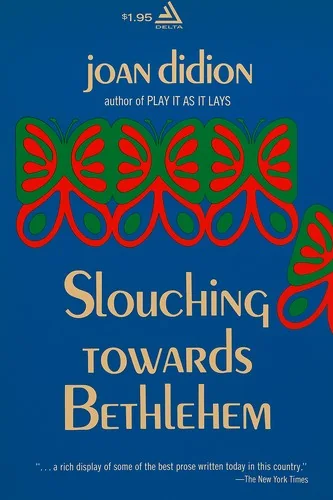
Years ago, I remember sending a text to several of my friends asking “What does California mean to you?” and receiving an incredulous response or no response at all.
This collection of essays embodies what I was inquiring as to. California.
“Go west young man, ain’t you been told? California’s full of whiskey, women, and gold…” — Should Have Been a Cowboy (Toby Keith)
In general, I’ve found nearly everything written by Nietzsche to be profound - borderline insanity, but profound nonetheless.
This essay was not an easy read, as much of Nietzsche’s work tends to be - but his general proposal concerning each generation’s pitfall of considering the pursuit of something new and wonderful being often perceived as insurmountable due to the sheer weight of centuries of human achievement is a rather brilliant one.
Nietzsche’s earlier work is a better place to start, but this essay is a great examination of history for history’s sake.
Large portions of this novel are a sludge - and I was struggling to grasp the straws McCarthy so adeptly laid down.
But the ending. Well worth the effort.
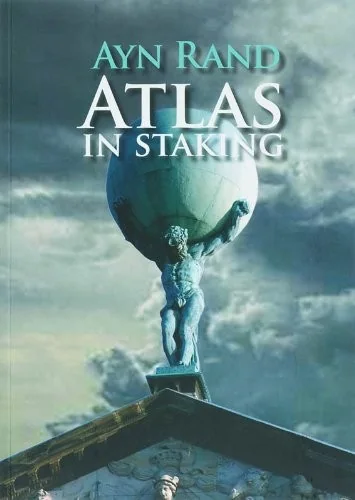
Broader in scope than ‘The Fountainhead’ and a more apt encapsulation of Rand’s philosophy, but I feel like ‘The Fountainhead’ was a better novel. That said, kudos to the writer who can put pencil to paper for 1200 pages.
Who is John Galt?
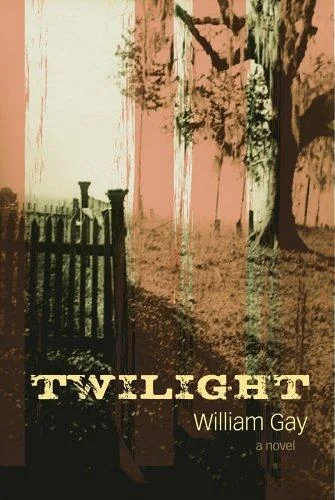
Halfway through this, I realized how much I enjoyed Gay’s storytelling ability (and sheer prose) - and ordered a copy of ‘Provinces of Night’.
That said, ‘Twilight’ was magnificent. A fitting and beautiful archetype of Southern Gothic.
This essay concisely defines the difference between “social power” and “state power”. Or rather, “the mutually exclusive interrelations between men” - production and predation. Very informative (and short) read.
The best short story collection I’ve read to date. A harrowing compilation - lacquered in the human condition. Will most certainly be reading William Gay again.
“It was still dark and the fire had long since died, still dark and quiet with that silence that seems to be of itself listening, and astral quiet where planets collide soundlessly, beyond the auricular dimension altogether.” - Cormac McCarthy (The Orchard Keeper)
First novel I’ve read cover to cover in a single day in years. Glaringly disturbing novel - yet McCarthy’s prose is powerful and prophetic.
Very Faulkner-esque, yet lacking the indomitable aspects of his more renown works. While the counterbalance of the entwined narratives sets a fluid pace, I was a bit disappointed by the conclusive themes. Still most certainly a brilliant work of literature, but would recommend his earlier works over this one.
I can understand how the Beat Generation found homage in this novel, yet it still feels sporadic and undirected. Only real sense of theme came near the end. Feel like this novel could have been 100 pages shorter and promulgated the same point.
I've heard this novel described as a 'fever dream' and frankly that is probably the most accurate way to describe it. Like most of Faulkner's works, I wouldn't say this novel is easy to read - which is why most folks give up 20 pages in. But I think those who have read anything by Faulkner would agree that his works become more and more rewarding as the plot continues to unfold. Just brew that pot of coffee and settle in for a slow burn.
Side Note: I'm continually amazed by the way Faulkner can turn a mundane conversation or description into something incredibly eloquent.
While the greater part of the plot sort of meanders around a bit, it does eventually lead to singularly profound conclusion. A short and worthwhile read.
At times this novel feels kaleidoscopic, but mostly it just feels overdone. It is certainly a brilliant literary experiment by Woolf though — I probably just need to reread.
Most difficult novel I’ve ever read.
Easier to understand than The Sound and the Fury, but more difficult to read (I can see a lot of people disagreeing on this though).
Typical of Faulkner, I was lost for a great portion of this novel. Not really ‘getting it’, but in the last 20 pages it all comes together and clicks. This man was an artist.
First time reading Bradbury, but thoroughly enjoyable. His scenic depictions give me flashes of Fitzgerald: eloquent.
Really interesting to see Faulkner in his early stages. His prose seems more romantic in this early work compared to his more renowned novels where the prose is still beautiful in a sense, but crushing.
From this work, highly recommend ‘The Hill’. Interesting depiction.
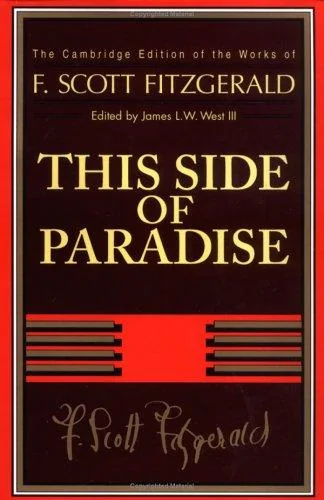
I’ve struggled for years to find the words to review this book. I still remember picking up a copy in a Fargo, ND bookstore whilst interning for John Deere. Read it in a single weekend.
This Side of Paradise is smart. It’s poetic. Eloquent in the way only Fitzgerald can be.
And it’s still, to date, the best book I’ve ever read.
Armory Blaine is eternal - as well as F Scott.